In mid September we departed Split and went north up the Dalmation coast to the historical town of Zadar for about a week. It has an Old Town on a peninsula that is surrounded by ancient city walls. We liked that Zadar is on mostly flat land and we could easily walk the mile from our Air BnB to and from the Old Town and to other areas in the city. We visited the world famous Zadar Sea Organ and the nearby Monument to the Sun, as well as a guided tour of Old Town. We enjoyed some excellent food, and visited both a craft brew pub and a winery. Additionally, we took a day trip up to Plitvice Lakes National Park, Croatia’s oldest and largest National Park and a Unesco World Heritage site.
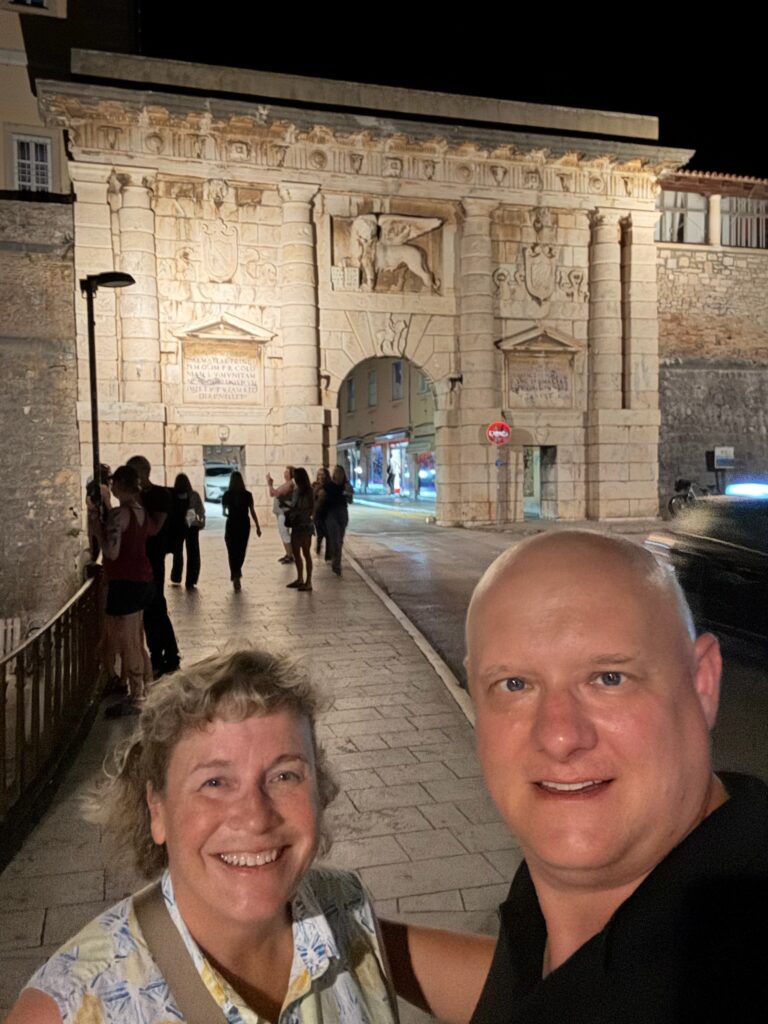
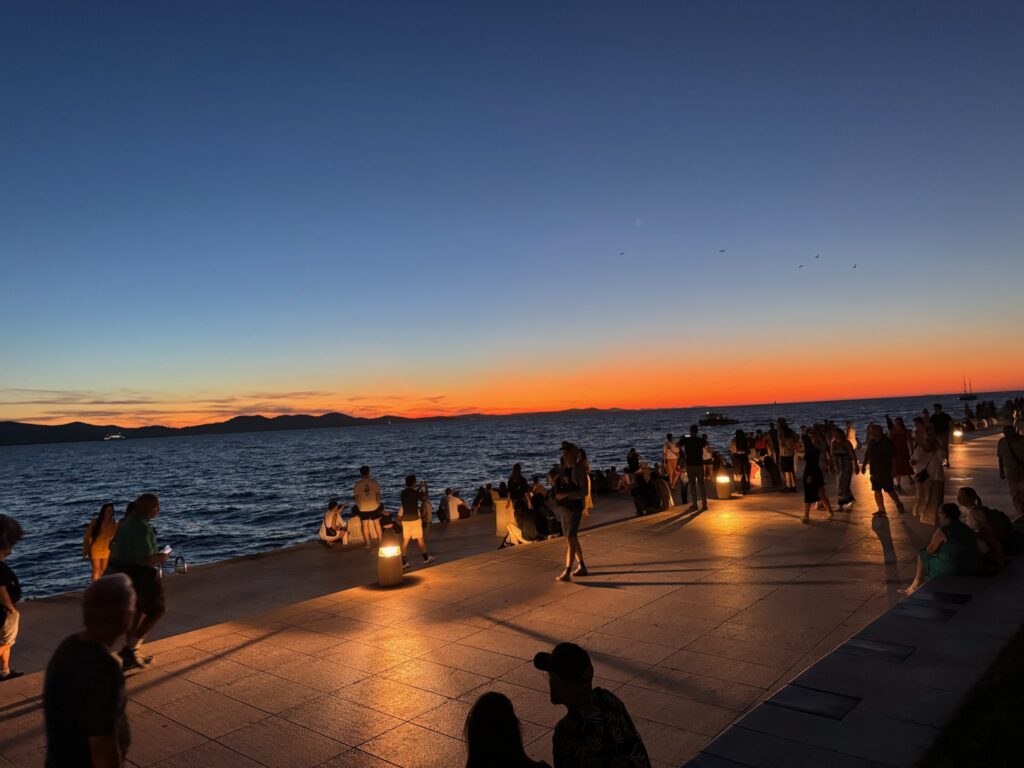
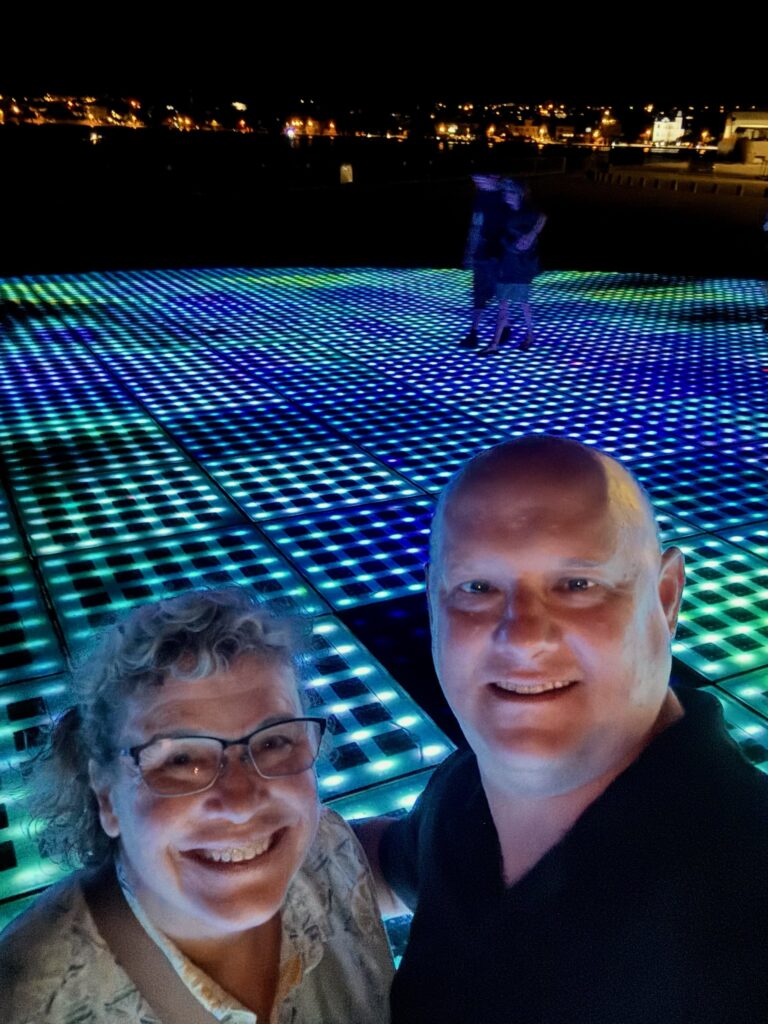
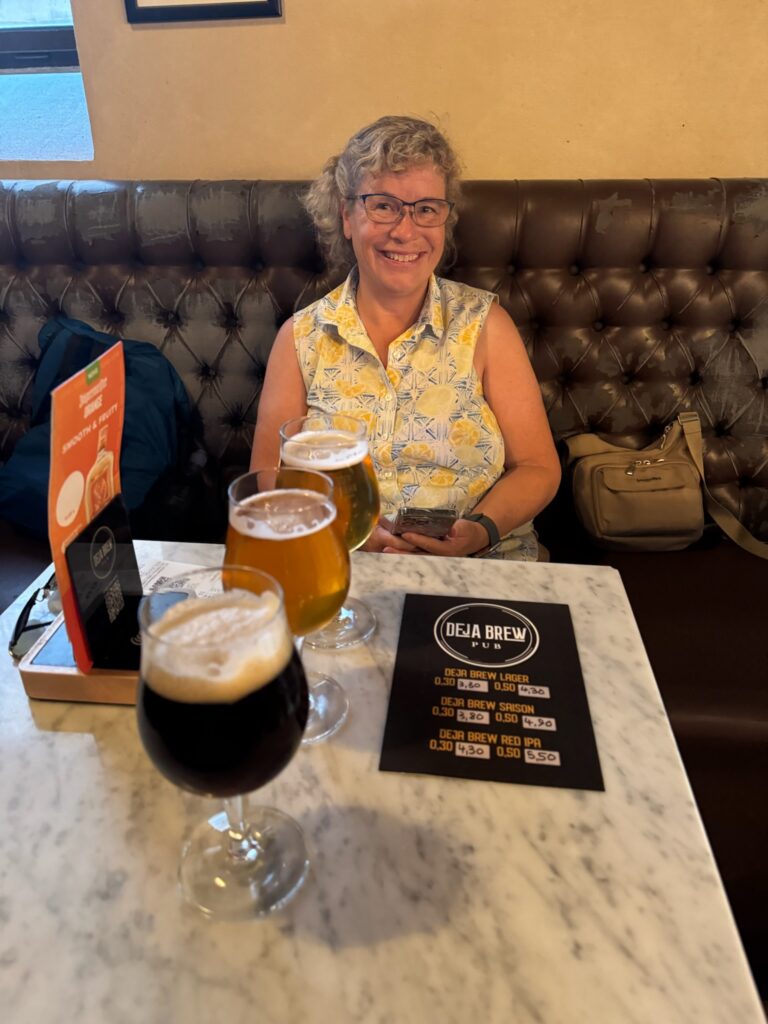
This is called the “Land Gate” and is the main gate into Zadar’s Old Town. The Old Town is a UNESCO-listed site featuring Roman and Venetian architecture, including the Roman Forum and Venetian gates. It is super charming and has a more laid back vibe than Split’s old town.The Sea Organ is an architectural sound art object located in the newer wharf part of the Old Town in Zadar. It is basically an experimental musical instrument, which plays music by way of sea waves and tubes located underneath a set of large marble steps. You cannot see it but if there are waves in the harbor you can hear it. We visited the Sea Organ almost every evening and marveled at how quiet it could be and how loud it could be.Within about a hundred steps of the Zadar Sea Organ is the “Monument to the Sun”. It consists of a 22-meter diameter circle representing the Sun, with three hundred, multi-layered glass plates placed on the same level as the stone-paved waterfront, with photovoltaic solar modules underneath. Lighting elements installed in the circle turn on at night and produce a light show. Smaller circles represent the planets. The monument symbolizes communication with nature, communicates with light, while the nearby Sea organ communicates with sound. Here is a little video of the “The monument to the Sun”. Both this monument and the Sea organ were both designed by Croatian architect Nikola Bašić. Going to these two monuments for a sunset is a very memorable experience and both monuments have won international awards. We highly recomend both if you go to Zadar.Croatia does have a craft brew scene, and this was the one in Old Town Zadar called “Deja Brew”. Generally speaking their brew pubs have a Lager or two, an IPA and an occasional Pilsner. We do not love their smoking culture but got lucky on this day in that we could sit for a bit before the smokers showed up.
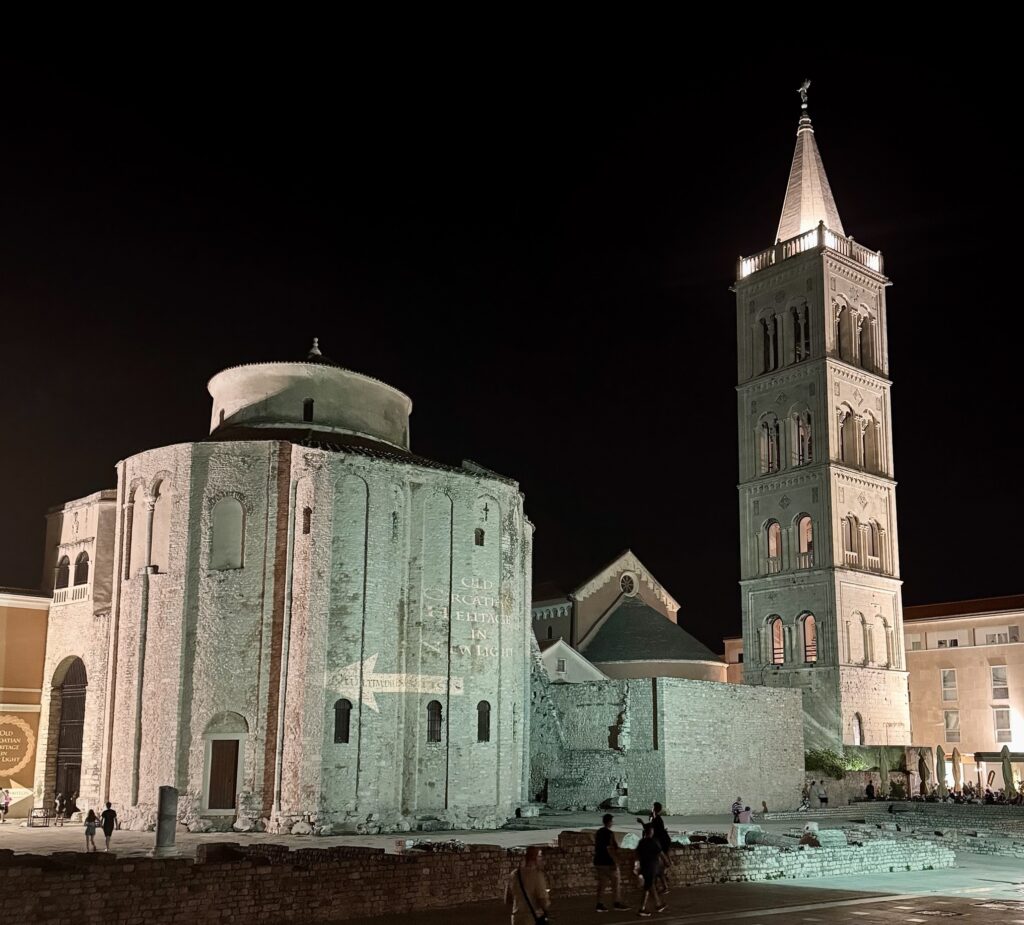
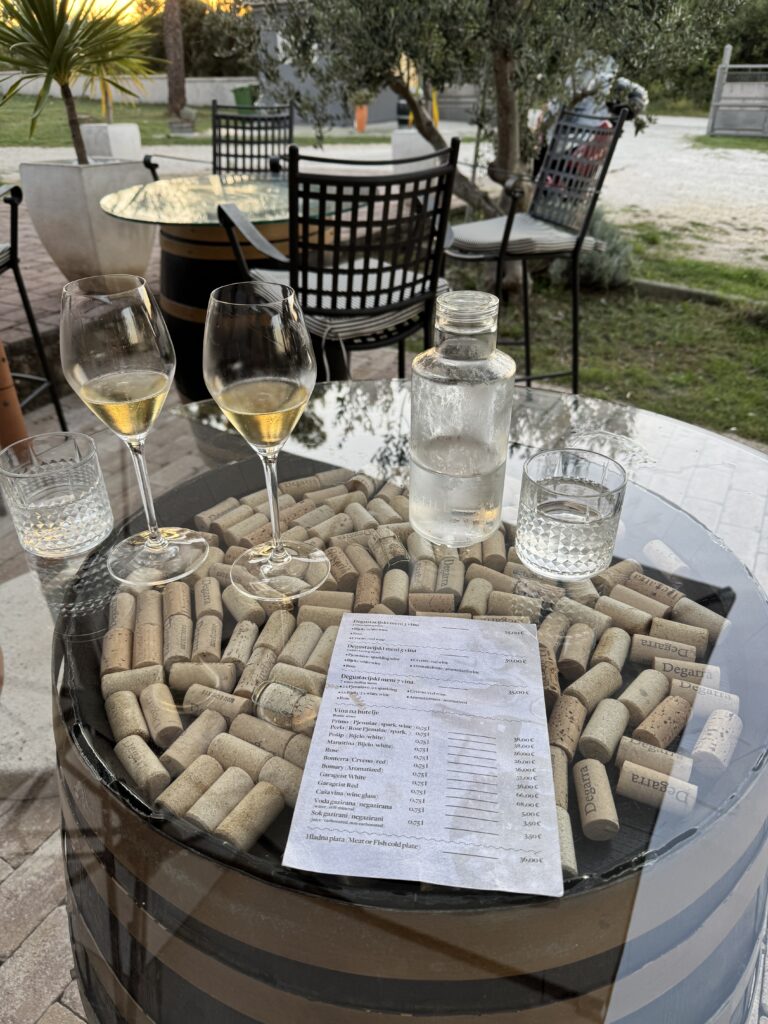
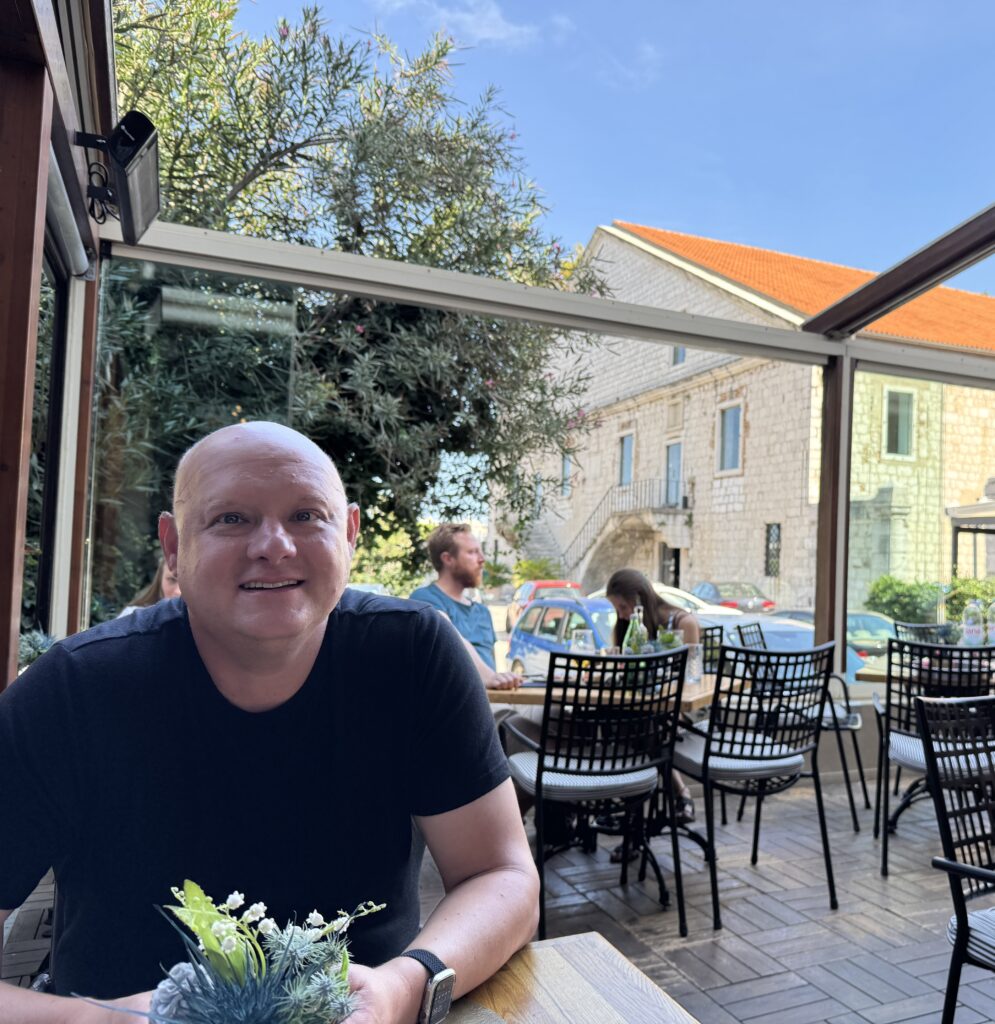
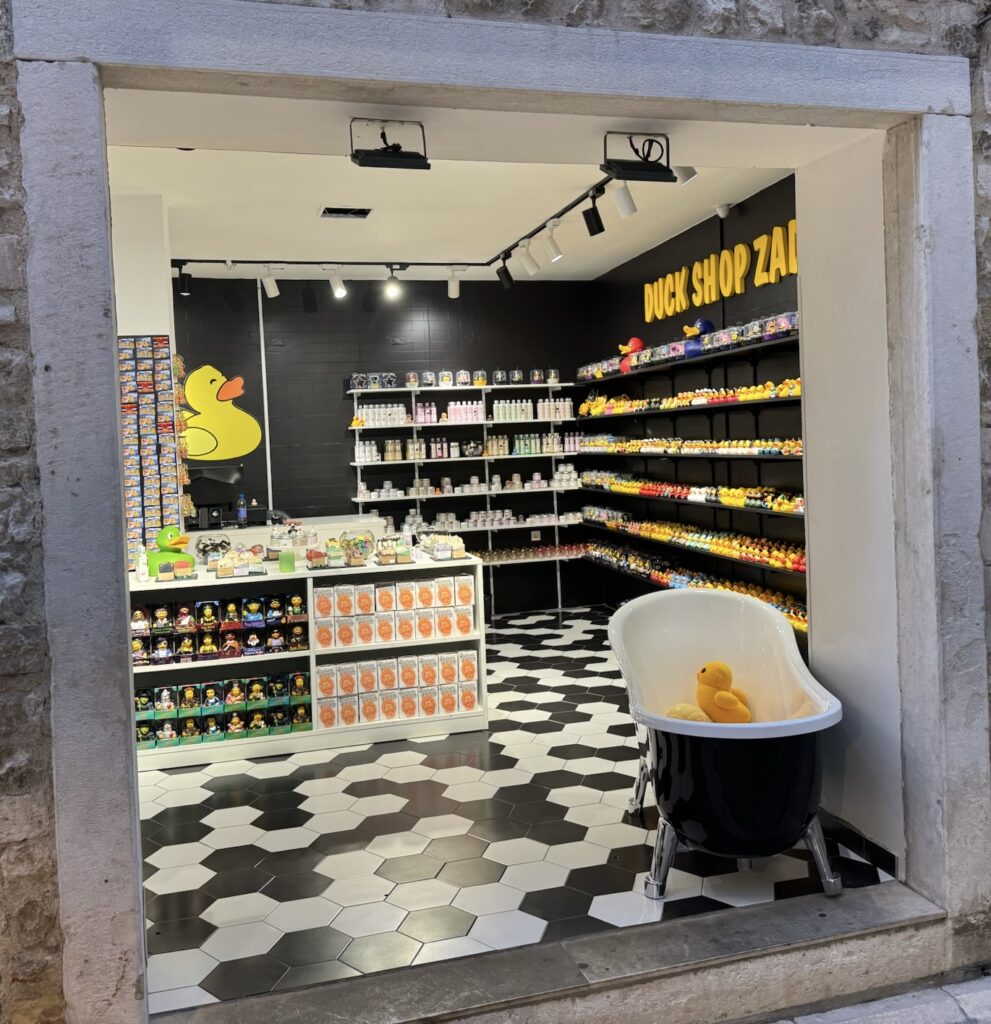
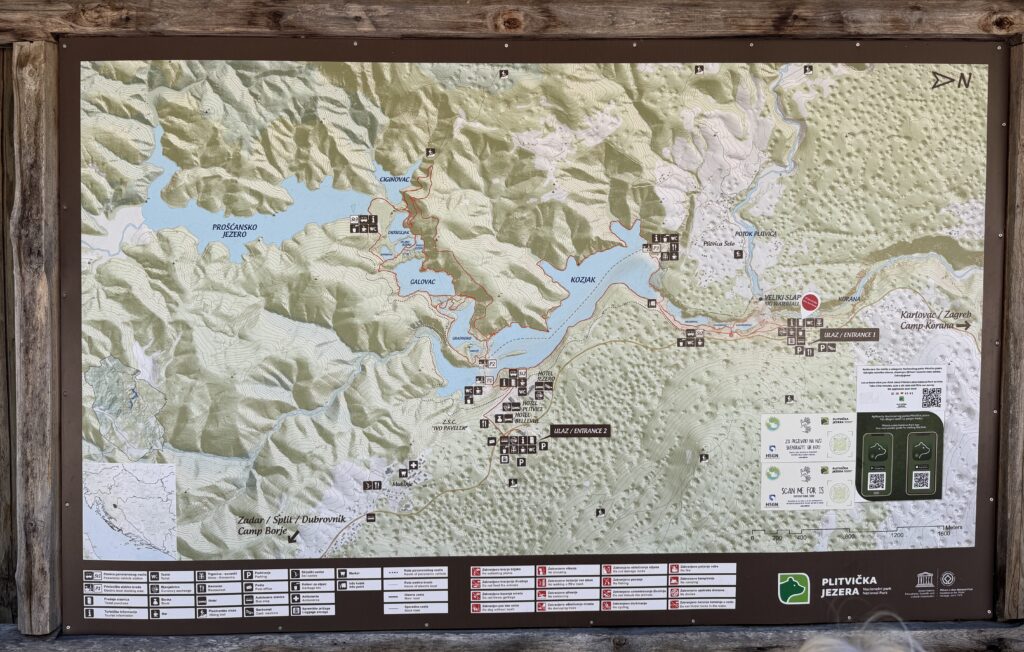
This area is on the ancient Roman Forum in Zadar’s Old Town. A massive earthquake in the sixth century collapsed most of the Roman Forum Temple – so the stones from the rubble were then used to build these structures. The round building is the Church of Saint Donatus, which is currently used as the concert venue for the annual International Festival of Medieval Renaissance Music because of its acoustics. One afternoon in Zadar we took a $12 Uber and went slightly out of town to a winery called Degarra and what a delightful surprise that was! The wines were delicious as was the charcuterie tray. The ambiance was wonderful and it felt nice to be a little out in the countryside for a late afternoon and evening.Every time I have a pizza in Europe it seems like it is the best one I’ve ever had. This one was called the “Tri Bunara”, a house specialty at the Tri Bunara Pizza restaurant in Old Town Zadar.Tri Bunara Pizza also has a great patio.We have noticed in several Croatian cities that there are stores dedicated to selling nothing but rubber ducks. The only thing we can think of is it is their version of a “Beanie Baby” store.This is a map of Plitvice Lakes National Park, Croatia’s oldest and largest national park, and a Unesco World Heritage site. It is about a two hour drive from Zadar. We did it with a tour group as this was logistically the easiest option. In retrospect I think we would have paid a little more for a rental car or a private driver and got here when the park opens at 7am to perhaps avoid at least part of the massive crowds.
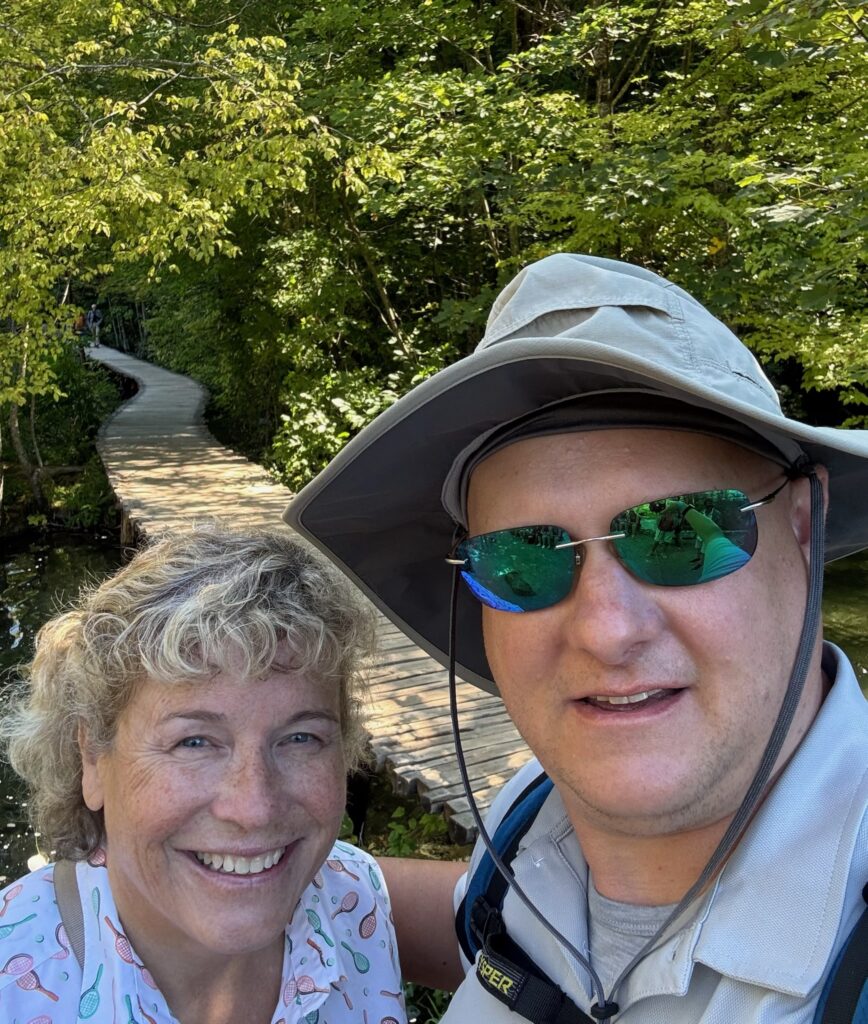
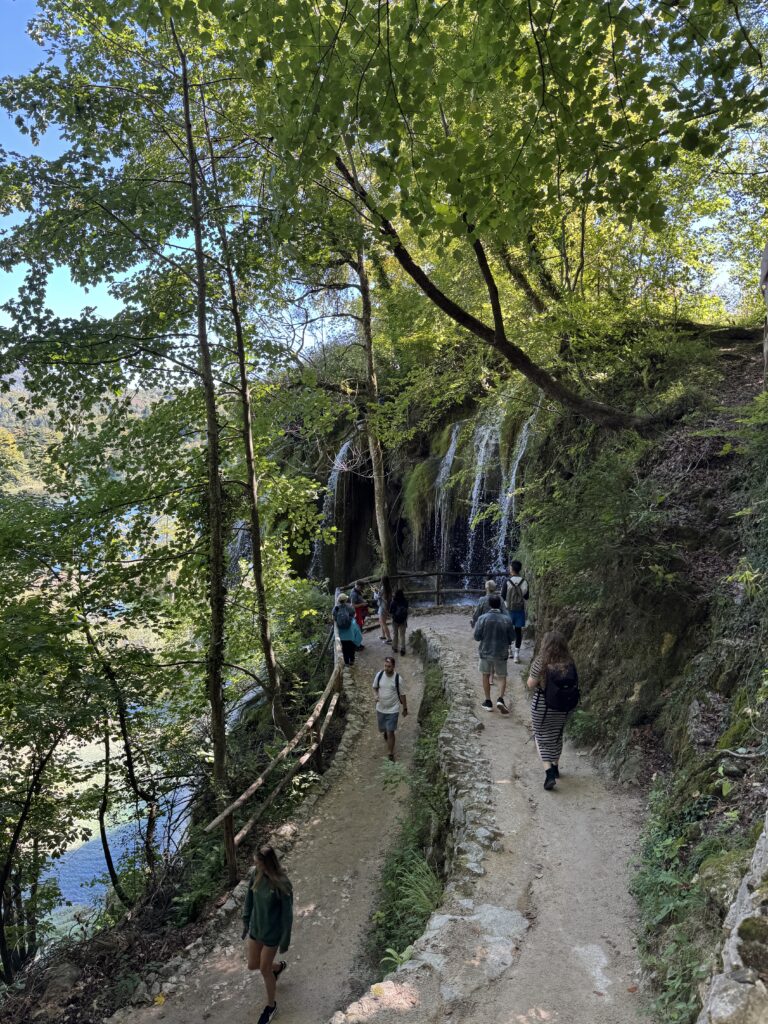
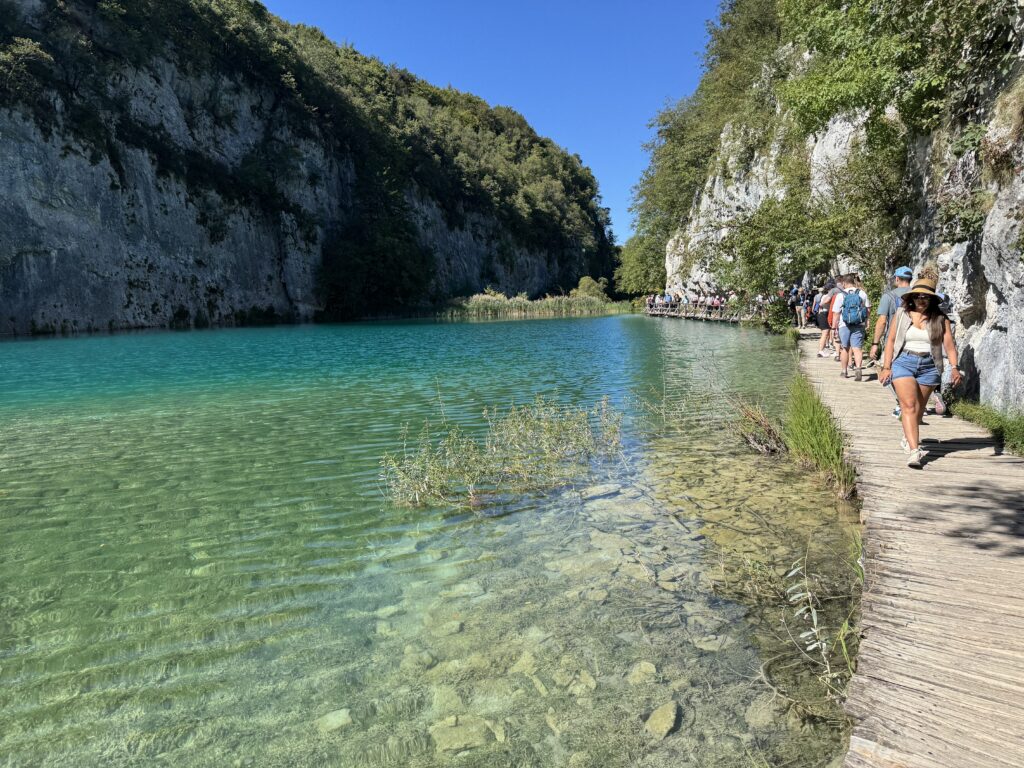
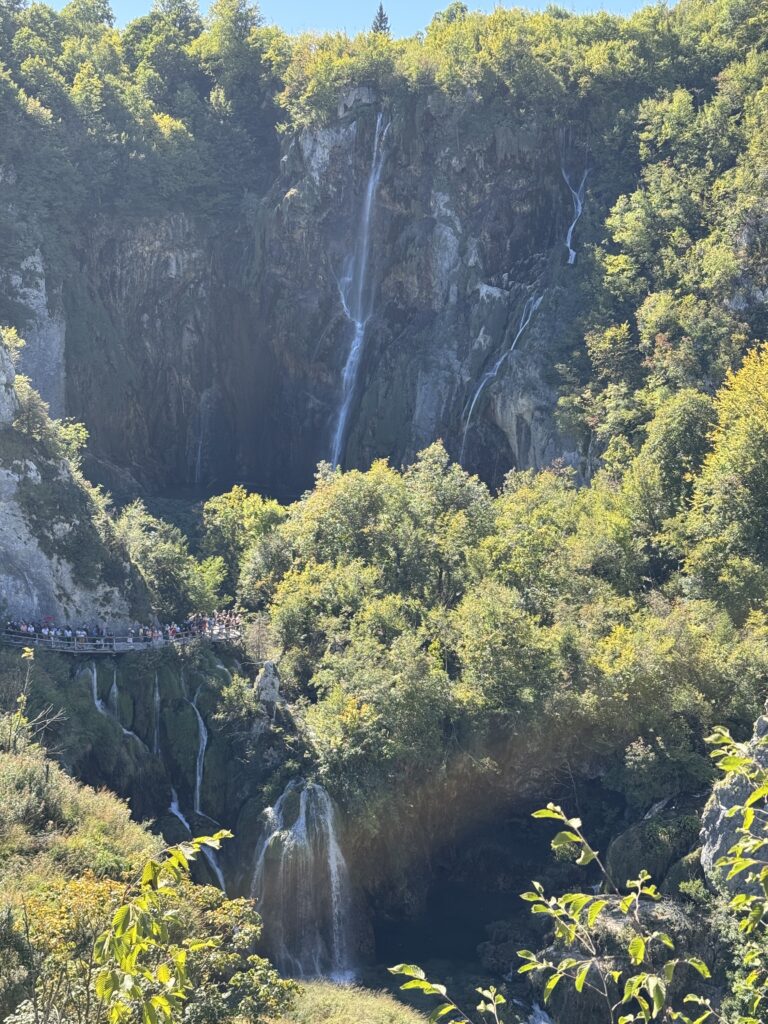
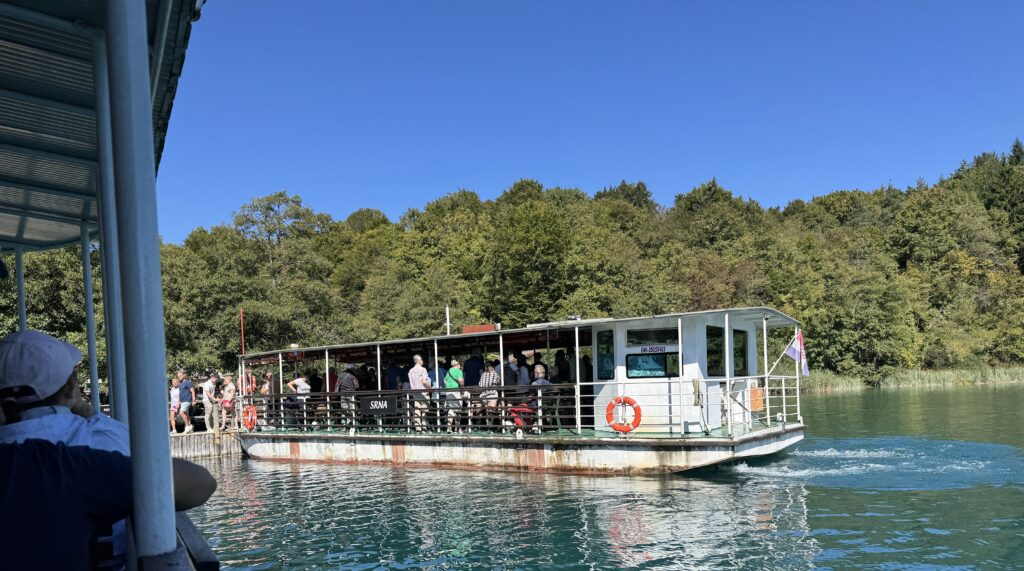
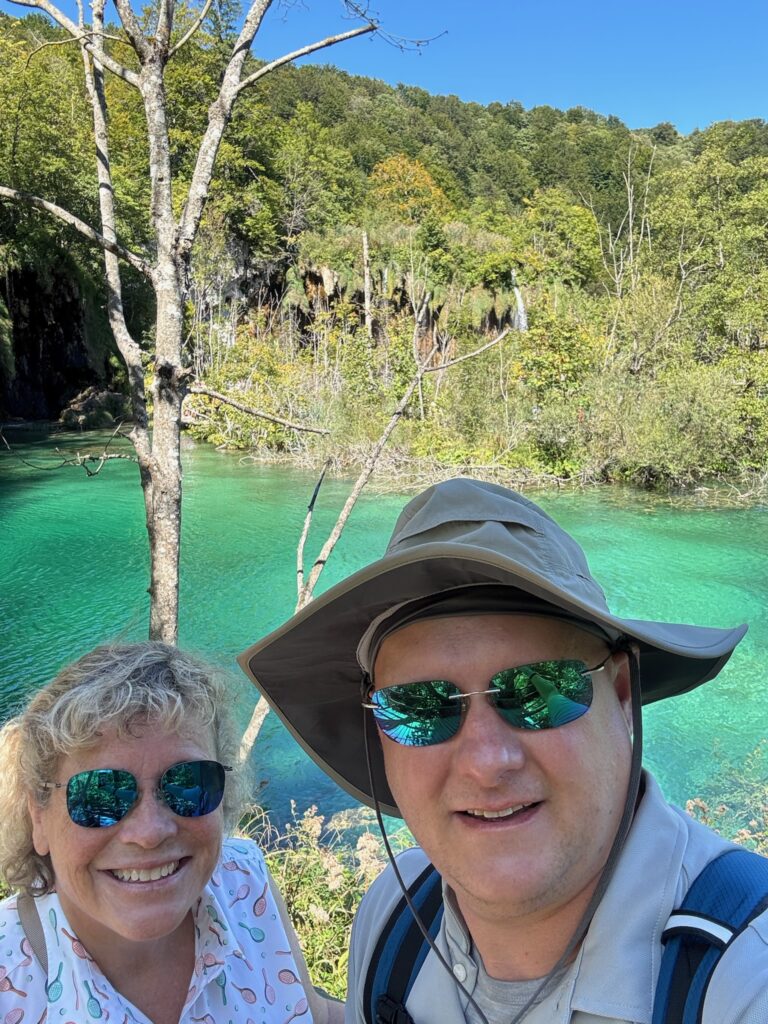
Like the National Parks in the USA, Plitcive Lakes makes all of its trails out of natural materials. You walk through the entire park on these elevated walkways made out of the deadwood that they cull out of the park.We quickly lost count of the number of waterfalls we passed.The natural wood walkways really contributed to the ambiance but as the day went on the increased crowd numbers made it a little tricky without railings. Swimming is prohibited in the Park, which allows the water to maintain its pristine clear appearance (so don’t get accidentally knocked over the edge)These are the highest falls in the park, simply named “The Great Waterfall”. If you look closely in the middle left side of the picture you can see the plaform walkway with all the people on it – which provides some scale.Part of the hike across the park included an electric boat ride across one of the upper lakes.Many of the waterfalls and especially the color of the lakes reminded us of Hanging Lake near Glenwood Springs in Colorado. The main difference in Plitvice is these lakes were not carved by glaciers.
Please feel free to leave a comment. If you leave a comment it will not show up right away. We have it set up so that we have to approve comments before they can show here (we do have to filter out spam unfortunately). We check for (and respond to) comments almost every day so you should be able to see it here soon. Take care.